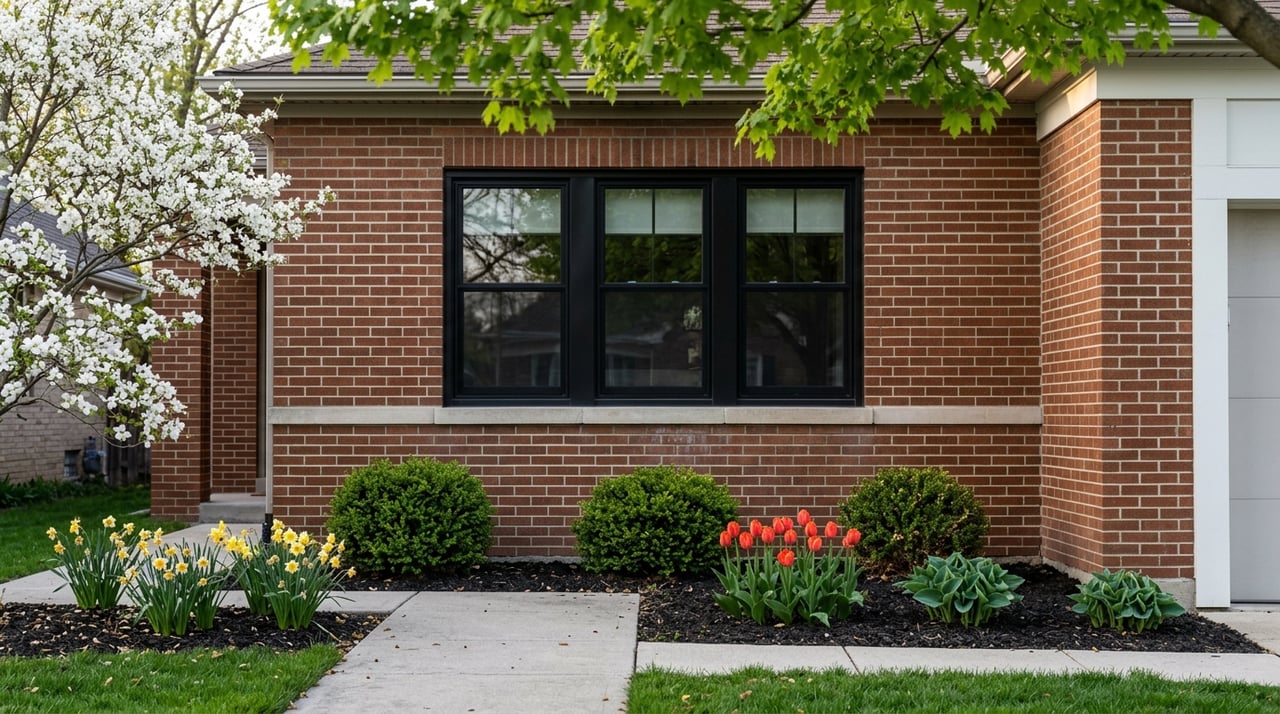
The Best Time to Sell a Home in Minneapolis MN
April 23, 2026
April 23, 2026
Wondering when to sell your Minneapolis home for the best result? Timing can make a real difference, but the best answer is not just "spring" and move on. If you want the strongest mix of price, buyer attention, and smoother negotiations, it helps to understand how Minneapolis seasonality, mortgage rates, and your property type all work together. Let’s dive in.
For most sellers, late May is the strongest target window.
According to Zillow’s metro-level seasonality analysis, homes listed in the second half of May in Minneapolis sold for 2.9% more, or about $11,100 more on a typical home, than homes listed at other times of year. That makes late spring the clearest local sweet spot if your goal is to maximize sale price.
The broader spring window matters too. Zillow’s 2025 timing research found that sellers often see better-than-average returns when they list between March 15 and July 31, but in Minneapolis the local peak still clusters around late May and early June. In other words, spring is your main runway, and late May is usually the best takeoff point.
Minneapolis has a strong seasonal pattern. After winter slows down showings, listing activity, and buyer movement, spring brings more people back into the market. More buyers are out touring homes, more listings hit the market, and well-prepared sellers often benefit from stronger competition.
That does not mean every home should wait until the same exact week. It means the market tends to reward sellers who are ready before the late-spring rush peaks. If your repairs, cleaning, staging, and pricing strategy are done early, you are in a better position to launch when buyer demand is strongest.
Zillow’s research on housing seasonality also shows that spring generally brings the most new listings and the most buyer competition. In Minneapolis, that pattern lines up well with the local climate and winter-to-spring market shift.
The calendar is important, but it is not the whole story. Mortgage rates and inventory levels can shape your outcome just as much as the month you list.
As of April 16, 2026, Freddie Mac reported the average 30-year fixed mortgage rate at 6.30%, down from 6.83% a year earlier. Lower rates can help buyers afford higher monthly payments, which can support demand during the spring market if rates stay steady or continue easing.
Supply is still relatively tight in the Twin Cities. For the week ending March 7, 2026, Minneapolis Area REALTORS® reported 7,959 homes in inventory, 2.1 months of supply, a $380,000 median sales price, and 69 days on market. That is not a fully balanced market, which can still work in a seller’s favor, especially for homes that are priced correctly and presented well.
At the same time, buyers are watching affordability closely. Even in a seasonal upswing, many buyers are more payment-sensitive than they were a few years ago. That means timing helps, but smart pricing still matters.
If late May is your target, your real work usually starts in March and April.
This prep window gives you time to handle the details that influence first impressions and offer strength. In a market where buyers compare monthly costs carefully, a polished launch can help you stand out without depending on overpricing.
Focus on the basics first:
For many sellers, the biggest mistake is starting too late. If your home is not ready by late spring, it may still sell well in early summer, but you may face a more price-sensitive buyer pool as the season moves on.
Every season can work, but the tradeoffs change.
Spring is usually the best combination of visibility, pricing power, and buyer activity. More buyers are active, and homes are more likely to attract strong interest when they hit the market in move-in-ready condition.
This is the best fit for sellers who want the widest exposure and the strongest odds of multiple offers. It is especially effective if your home is fully prepared before the late-May peak.
Early summer can still be very strong. Homes with good natural light, outdoor living space, and curb appeal often show especially well during this period.
The main caution comes later in the season. Zillow’s listing timing research found that August and September have the highest share of listings with price reductions. So if you miss late spring, early summer is usually a better fallback than late summer.
Fall can still work well for motivated sellers, but the buyer pool often narrows after the summer peak. Homes may take longer to absorb, and buyers may be more focused on value and concessions.
If you list in fall, competitive pricing becomes even more important. The goal often shifts from maximizing exposure to attracting serious, ready buyers efficiently.
Winter is typically the slowest season, but it is not a dead market. Minnesota REALTORS® notes that winter buyers are often highly motivated, and sellers may benefit from less competition.
The tradeoff is slower market time and more weather-related friction. If you sell in winter, details matter more, including clear walkways, strong lighting, heated garage space, and visible energy-efficiency features.
Not every Minneapolis seller should use the same playbook. Your ideal timing can shift based on what you own and who is most likely to buy it.
If you own a condo or attached property, timing still matters, but pricing and presentation may matter even more.
Axios reported that downtown Minneapolis median prices rose 11% in 2024, pointing to improving urban demand, based on the local annual report summary from Axios Twin Cities. But the market has also been uneven. Minnesota REALTORS® reported that condo sales were among the weakest segments early in 2026.
That mixed picture means condo sellers may need more patience than single-family sellers. It is also worth noting that the 2024 annual housing report from Minneapolis Area REALTORS® showed attached townhouse-condo properties averaging 54 cumulative days on market, compared with 42 days for single-family homes.
For many single-family homes, late spring to early summer remains the most reliable choice. This timing lines up with the broader increase in buyer activity and the typical Minneapolis move cycle.
It is not a guarantee in every neighborhood or price point, but it is often the safest strategy if your goal is strong exposure and a solid sale price.
Luxury and upper-tier homes can have a little more flexibility. Realtor.com reported that the Minneapolis-St. Paul-Bloomington luxury segment was one of the faster-growth metros in late 2025, with luxury prices up 2.7% year over year and a faster sales pace.
That does not remove the need for discipline. High-end homes still depend on standout presentation, targeted marketing, and careful pricing. But compared with entry-level listings, timing may be less rigid if the property is distinctive and well positioned.
Sometimes the best time to sell is not the mathematically perfect week. It is the moment that best matches your goals.
You may want to list sooner if:
A strong launch in early spring or early summer can outperform a delayed launch with weak preparation. Timing helps, but execution is what turns interest into offers.
The best time to sell is not only about chasing the highest possible number. It is also about balancing price, timing, convenience, and the likelihood of clean terms.
For one seller, the best outcome may mean listing in late May to reach the strongest buyer pool. For another, it may mean selling in winter with less competition because a relocation or purchase timeline matters more. The right decision comes from pairing market seasonality with your home’s condition, price tier, and your next move.
If you want help reading the Minneapolis market at the neighborhood and property level, Kary marpe offers direct, practical guidance backed by decades of Twin Cities experience. Whether you are selling a condo, a suburban single-family home, or a higher-end property, you can get a clear strategy built around timing, pricing, and presentation.
Stay up to date on the latest real estate trends.






I am always here for personal service by phone or email, so feel free to contact me any time!