Buying your first home near Minneapolis can feel exciting and a little intense. If Wolfe Park in St. Louis Park is on your radar, you are looking in a close-in neighborhood where good homes go fast. You want clear price ranges, what to expect in older homes, and a plan to compete without taking on unnecessary risk.
This guide breaks down real 2026 price context, common inspection findings in local homes, smart offer tactics, and a simple checklist to get you ready. You will also find links to trusted Minnesota resources for financing help and due diligence. Let’s dive in.
Wolfe Park at a glance
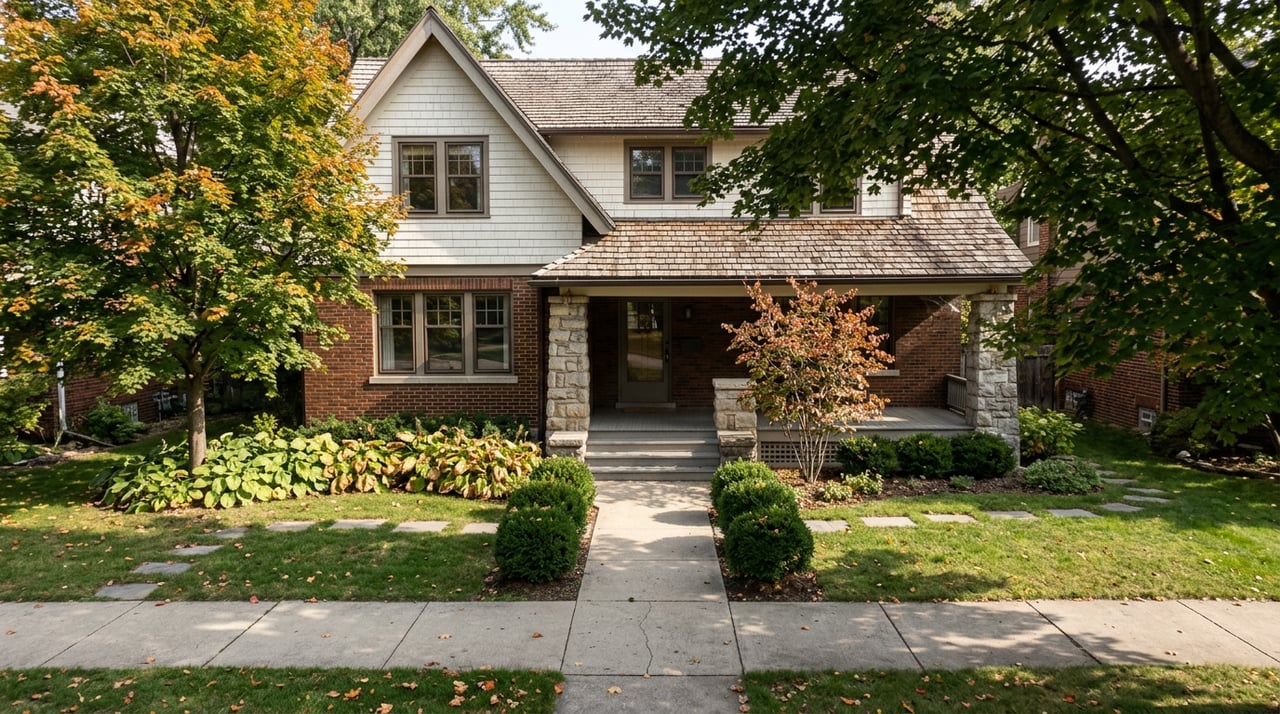
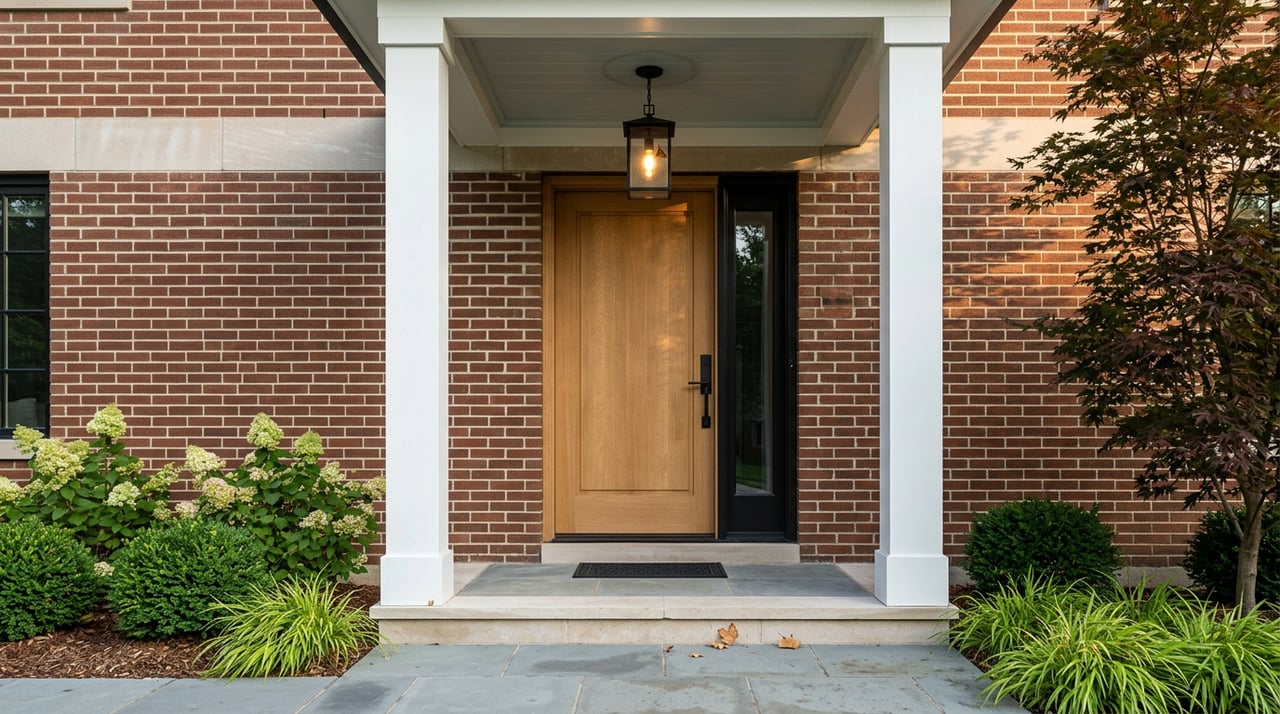
Wolfe Park sits just south of Excelsior Boulevard with quick bicycle and transit access into Minneapolis and daily needs close by. You will see a mix of single-family bungalows and ranch homes, plus townhome and condo buildings near Excelsior & Grand. That mix means you should expect price and condition to vary block by block. You can preview neighborhood amenities on the city’s Wolfe Park page.
At the city level, recent snapshots show St. Louis Park’s median sale price near $373,000 as of January 2026, with typical values in the low $360Ks. The overall market has been very competitive, with limited inventory and homes often going under contract within weeks. In practical terms, well-priced starter homes in or near Wolfe Park can attract multiple offers, especially if they are updated and move-in ready.
What you can afford in 2026
Starter price points below are realistic ranges for Wolfe Park and nearby areas based on city metrics and recent listings. Final pricing depends on exact location, size, and condition.
- Condos, studio to 1–2 bedrooms: Entry pricing often starts in the mid to high $100Ks for smaller units. Renovated 1–2 bedroom condos near Excelsior & Grand can reach the low $200Ks to $300K range.
- Townhomes and rowhouses: Many starter two-bedroom townhomes ask roughly $250K–$360K depending on square footage and updates. Renovated, well-located units may list higher.
- Single-family homes: Smaller 2–3 bedroom bungalows and ranch homes commonly sell in the $300K–$475K window. Turnkey properties with recent system updates and finishes trend toward the higher end.
Buyer tip: In a tight market, clean and well-staged homes can sell near or above list price. Budget for competitive terms so you can move quickly on a fit.
Budget beyond the price
- Property taxes: Plan for several thousand dollars per year on a starter home in the 55416 area. You can scan local tax context on City-Data’s 55416 page and confirm assessments through Hennepin County.
- HOA fees: If you are shopping condos or townhomes, factor monthly dues and any planned assessments into your budget. Ask for HOA documents early so there are no surprises.
Inspection watch list for older homes
Many St. Louis Park homes were built in the mid-20th century. Age plus Minnesota’s climate creates predictable inspection themes. A licensed home inspection and targeted specialty tests are essential.
Radon
Minnesota has among the highest radon levels in the country. The Minnesota Department of Health recommends testing every home and mitigating levels at or above 4 pCi/L. Include a radon test in your inspection window or ask for recent results from an MDH-licensed tester. Learn more from the Minnesota Department of Health’s radon page.
- Typical mitigation cost: About $1,500–$3,000 in many Minnesota homes. Get a quote for the specific property.
Water intrusion and drainage
Older basements can show moisture, grading issues, short downspouts, or aging sump pumps. Moisture can lead to wood decay and mold risks. If your inspector notes concerns, budget for exterior grading fixes, downspout extensions, or sump pump work.
Plumbing and service lines
Watch for galvanized supply lines, cast-iron waste lines, or older plastics. Inquire about the water service line material and who is responsible for replacement if needed. Hennepin County provides homeowner property resources you can use to get oriented on assessments and property details. Start with Hennepin County property information and ask the seller and city for specifics during due diligence.
Lead-based paint in pre-1978 homes
If the home was built before 1978, assume the possibility of lead-based paint. Federal rules require disclosures and lead-safe practices during renovation. Review the EPA’s guidance on renovation and disclosure for pre-1978 housing: EPA RRP program.
Electrical systems
Older panels, outdated wiring types, or capacity limits are common in mid-century homes. If the inspector flags an issue, plan for an electrician’s evaluation and quotes for any remediation.
Roof, HVAC, and insulation
Expect a range of remaining life on roofs, furnaces, AC units, and insulation. Ask for service records and have the inspector estimate service life. Replacement costs can run several thousand dollars, so include reserves in your long-term budget.
Specialty tests worth ordering
- Radon testing by an MDH-licensed professional in real estate transactions. See MDH’s real estate guidance at MDH radon in real estate.
- Sewer lateral camera inspection on older homes.
- Lead paint testing if you plan renovations or have young children.
How to compete and still protect yourself
You can write a strong offer and keep core protections in place. Focus on clarity, speed, and smart terms rather than risky waivers.
- Get fully pre-approved: A current pre-approval letter from a reputable lender signals strength and speeds final underwriting.
- Move fast, keep key contingencies: Shorten your inspection window instead of waiving it. Five business days is common in competitive settings. Keep your financing contingency unless you are paying cash and accept the risk.
- Use earnest money and timing: A larger earnest deposit and flexible closing date can beat a slightly higher offer. Ask your agent to learn the seller’s ideal timing.
- Consider escalation and appraisal gap language carefully: If you use an escalation clause, cap it at a number you can verify with comps. If you offer limited appraisal gap coverage, make sure you can document funds.
- Communicate clearly: Have your agent share your lender’s contact information and present your offer package cleanly. Small details help your offer feel organized and reliable.
Before you tour: local checklist
Set yourself up for a smooth first offer with a few targeted steps.
- Secure full pre-approval: Ask lenders about timing to close and what documentation they need from you. If you want to pair a conventional loan with a state program, use Minnesota Housing’s list of participating lenders.
- Check down payment assistance early: Many first-time buyers pair Minnesota Housing Start Up options with local DPA, including Hennepin County programs administered by NeighborWorks Home Partners. Ask your lender about eligibility and how a second-loan DPA would affect your payment and approval timeline.
- Build a realistic payment: Calculate PITI plus HOA dues if applicable. For quick local tax context, review City-Data’s 55416 overview and confirm details with Hennepin County.
- Line up your inspection team: Book a licensed home inspector and have contacts ready for an MDH-licensed radon tester and a plumber or electrician if follow-up is needed. MDH outlines testing rules for real estate at MDH radon in real estate.
- Define must-haves and trade-offs: List your non-negotiables, like bedroom count or parking, and what you can flex on, like cosmetic finishes. This keeps you focused when a new listing hits.
- For condos and townhomes: Ask for CC&Rs, recent meeting minutes, budgets, and reserve studies before finalizing your offer. HOA finances and upcoming projects can change your monthly costs and near-term repairs.
Neighborhood resources
Thinking about a move this year and want a clear, local plan for Wolfe Park? Let’s talk through price targets, financing options, and a step-by-step offer strategy for your situation. Reach out to Kary Marpe to get started.
FAQs
How competitive is Wolfe Park for first-time buyers in 2026?
- City data shows a very competitive St. Louis Park market with limited inventory and homes often going pending within weeks, so be ready with pre-approval and quick timelines.
What are typical entry prices in Wolfe Park by property type?
- Condos often start in the mid to high $100Ks, townhomes in roughly $250K–$360K, and smaller single-family homes in the $300K–$475K range, with updates and location driving price.
Which inspections matter most for older St. Louis Park homes?
- Prioritize a full home inspection, a radon test by an MDH-licensed pro, and consider a sewer scope; watch for drainage, older plumbing, electrical panels, and roof or HVAC age.
Can I use Minnesota Housing or local DPA to buy in St. Louis Park?
- Yes. Many first-time buyers use Minnesota Housing Start Up loans and may add a local DPA second; check eligibility and timing with a lender from the program’s participating list.
What costs should I budget beyond the mortgage in Wolfe Park?
- Include property taxes, homeowners insurance, utilities, maintenance reserves, and HOA dues for condos or townhomes; use City-Data 55416 and Hennepin County for tax context.
Is Wolfe Park walkable and close to transit?
- The neighborhood offers daily needs around Excelsior Boulevard, with convenient bike and transit access into Minneapolis; visit the city’s Wolfe Park page to explore amenities nearby.