Living in St Paul Neighborhoods: A Guide to Classic Areas
April 16, 2026
April 16, 2026
Thinking about St. Paul’s classic neighborhoods? It is easy to group them together, but they do not all live the same way day to day. Some are shaped by historic architecture and preservation rules, some revolve around parks and trails, and others stand out for walkable business nodes and a strong neighborhood feel. If you are trying to figure out where you might feel most at home, this guide will help you compare the character, housing patterns, and lifestyle strengths of several of St. Paul’s best-known classic neighborhoods. Let’s dive in.
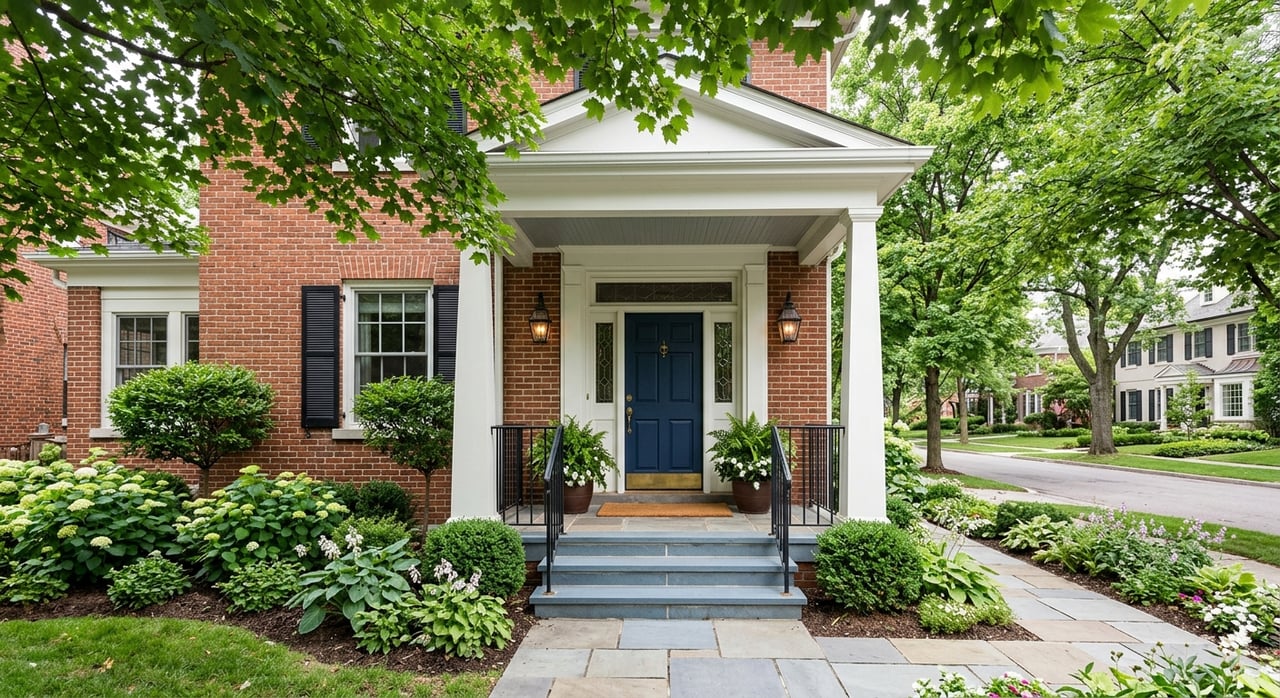
In St. Paul, “classic” usually means an older, established urban neighborhood with a strong sense of place. That often includes prewar or early postwar homes, mature trees, neighborhood commercial corridors, and a public realm shaped by parks, sidewalks, and community planning.
Citywide, that identity is reinforced by a strong preservation framework. St. Paul designates historic sites and districts at the local, state, and national levels, and the Heritage Preservation Commission reviews exterior changes, new construction, and demolition in designated areas. The city also maintains 182 parks and open spaces and more than 120 miles of trails, which helps explain why green space is such a visible part of daily life across many neighborhoods.
Another reason these areas feel distinct is local planning. St. Paul’s network of district councils keeps neighborhood-level issues like traffic, zoning, parks, and business corridors active and visible, often giving areas just a few blocks apart very different identities.
For many buyers, these neighborhoods offer more than older homes. They offer a pattern of living that can include walkable errands, established trees, nearby parks, and architecture with more variation than you often find in newer developments.
That does not mean every area fits every buyer. One neighborhood may be a better fit if you want a strong historic setting, while another may make more sense if you care most about recreation access, a village-like feel, or a mix of housing options close to everyday amenities.
Summit Hill and nearby Cathedral Hill are among St. Paul’s oldest and most visited areas, with a highly visible preservation culture and some of the city’s strongest nineteenth-century architecture. According to the Summit Hill Association, the housing mix is broader than many people expect, with roughly one-third single-family housing and a renter-owner split that is close to even.
Architecturally, the area stands out for Italianate, Queen Anne, Colonial Revival, Shingle, and Tudor Revival homes, creating one of the strongest historic backdrops in the city. Day-to-day life is also shaped by pedestrian-oriented shopping and dining, along with public spaces such as Summit Lookout Park, Cathedral Hill Park, Linwood Recreation Center, and the Sam Morgan Prairie Restoration Site.
If you are drawn to historic homes, preservation-minded ownership, and a dense, walkable setting, this area may be one of the clearest fits. It can also appeal to downsizers who want character and access to neighborhood amenities without focusing only on large-lot housing.
Macalester-Groveland offers a classic St. Paul feel built around streetcar-era development patterns, mature trees, and a mix of housing types. The city’s community plan describes a neighborhood with single-family homes, apartments, college campuses, parks, and locally owned businesses, with much of the housing stock dating to the 1910s and 1920s.
You will see bungalow, Craftsman, Prairie, Colonial Revival, Dutch Colonial Revival, and Tudor Revival styles throughout the area. Nearby Merriam Park shares a similar west-central pattern, with low-density residential blocks and commercial nodes along Marshall, Snelling, and Selby, according to the Mac-Grove Community Plan.
This neighborhood tends to feel like a chain of walkable nodes instead of one large commercial center. The Macalester-Groveland Community Council highlights the area’s walkability and bikeability, and ongoing city investment along the Snelling and Grand corridors continues to support those everyday patterns.
If you want classic houses with errands, dining, and neighborhood activity close by, Macalester-Groveland is often a strong match. It can be especially appealing if you want an urban-but-neighborhood feel with a broader housing mix.
Highland Park blends historic depth with visible change. The district plan describes a neighborhood with diverse residential, commercial, and public architecture, including period-revival homes and many later ranch-style houses, which gives buyers more variety than they may expect in a “classic” neighborhood.
The neighborhood’s identity also includes landmarks and evolving districts. The Highland District Plan points to features such as the Highland Water Tower, the WPA-era pool house, and the former Ford site’s redevelopment into Highland Bridge as key parts of the area’s story.
Highland Park is often one of the easiest classic neighborhoods to connect with if you value recreation and convenience. The city describes it as a walkable urban community with abundant parks and strong commercial centers, and Highland Park itself includes golf courses, an aquatic center, disc golf, playgrounds, picnic areas, and more.
For buyers who want a practical, active lifestyle with parks and services close at hand, Highland Park stands out. It may also appeal to long-time homeowners, relocating buyers, and downsizers who want character without limiting themselves to one narrow housing style.
Como Park is one of the clearest examples of a park-centered St. Paul neighborhood. Its housing includes turn-of-the-century woodframe, pressed-brick, and rock-faced concrete-block homes, with prewar bungalows especially common and some period-revival homes along parkways.
The neighborhood also has a long connection to preservation and historic character. The city’s survey material notes everything from prewar bungalows to Queen Anne mansions in Warrendale, reflecting a broad range of older housing forms in and around the area.
What truly defines Como, though, is the regional park itself. Como Regional Park includes more than a century of history, 2.3 miles of paved trails, the lake, zoo, conservatory, carousel, golf course, pool, historic streetcar station, and an outdoor classroom.
If your ideal neighborhood starts with green space, trails, and recreation woven into daily life, Como Park deserves a close look. It is a strong fit for buyers who want outdoor access to feel like part of the neighborhood, not just an occasional destination.
St. Anthony Park offers a different kind of classic St. Paul experience. Rather than feeling defined by one major commercial corridor or grand historic district, it feels smaller in scale, tree-lined, and closely tied to neighborhood stewardship.
According to the St. Anthony Park community plan, the housing stock is still mostly single-family, but it also includes duplexes, triplexes, and other multifamily options. The plan describes a neighborhood that is friendly to pedestrians and bicyclists, with a mixed-use character and an intimate, everyday walkable pattern.
The neighborhood council reinforces that identity through projects such as the neighborhood garden, Westgate Commons Park, and local tree-planting efforts. For buyers who care about canopy, community involvement, and a village-like feel, St. Anthony Park can be especially appealing.
Here is a simple way to think about the lifestyle differences:
| Neighborhood | Best known for | Housing feel | Everyday lifestyle |
|---|---|---|---|
| Summit Hill / Cathedral Hill | Historic architecture and preservation | Strong mix of historic homes and varied housing types | Walkable, dense, and visually historic |
| Macalester-Groveland | Classic houses near neighborhood nodes | Streetcar-era homes, apartments, mixed housing | Walkable errands and bikeable daily life |
| Highland Park | Recreation and convenience | Period-revival homes, ranches, varied stock | Active, practical, park-connected |
| Como Park | Regional park access | Bungalows and older homes near parkways | Outdoor-oriented and park-first |
| St. Anthony Park | Village-like character | Mostly single-family with some multifamily | Intimate, tree-lined, community-centered |
If you are considering a home in one of St. Paul’s more historic areas, it is smart to ask early about designation status. In designated districts and sites, exterior changes, new construction, and demolition may be subject to review by the city’s Heritage Preservation Commission.
That does not mean ownership is difficult. It simply means you should understand the property’s status and what that could mean for future projects before you buy. If historic character is part of what attracts you to a neighborhood, these rules are often part of what helps preserve that setting over time.
A good starting point is to think less about labels and more about how you want your days to work. Do you want neighborhood restaurants and shops within a short walk, or do you care more about direct access to trails and green space? Do you want a highly historic setting, or would you prefer a neighborhood with a wider mix of home styles and eras?
You should also pay attention to housing variety. These classic neighborhoods are not all one thing. Across St. Paul, you will find Victorian-era homes, Queen Anne architecture, bungalows, Craftsman houses, period-revival homes, apartments, and later ranch-style properties, depending on the area.
That is where neighborhood-level guidance matters. The right fit usually comes down to matching your priorities with the block-by-block reality of housing stock, walkability, park access, and future plans for the area.
If you are exploring St. Paul’s classic neighborhoods and want practical, local guidance on where you might feel most at home, Kary marpe can help you compare options, narrow your search, and move forward with confidence.
Stay up to date on the latest real estate trends.
I am always here for personal service by phone or email, so feel free to contact me any time!