Under contract on a home in Apple Valley and wondering what the inspection will really tell you? You are not alone. The inspection period can feel like the most uncertain part of buying, but it is also your best chance to understand a home’s condition before you close. In this guide, you will learn the inspection steps, timelines, common south metro issues, seasonal limitations, add-on tests, typical costs, and how to decide what to ask for after you get the report. Let’s dive in.
Minnesota inspection process
A typical buyer’s inspection in Minnesota is a visual, non-invasive check of the home’s major systems and components. The sequence usually looks like this:
- Offer accepted, then you schedule a general home inspection within your inspection contingency window.
- The inspector evaluates accessible areas like the roof, exterior, basement or foundation, attic and insulation, HVAC, plumbing, electrical, windows and doors, and interior rooms.
- You receive a written report with photos and prioritized observations. Findings are often grouped as safety issues, major defects, maintenance items, or recommended further evaluation.
- You decide whether to ask for repairs, request a credit, accept the home as-is, or cancel if your contract allows.
Inspection reports are a condition snapshot, not a code compliance review. Inspectors do not open finished walls or move heavy items unless agreed in advance.
Roles during inspection
- Buyer: You hire and pay the inspector and should attend the inspection.
- Home inspector: Provides a general-condition report. Scope is defined by the inspection agreement.
- Specialists: Brought in if the general inspection flags concerns. Common examples include radon, sewer scope, chimney, HVAC, roof, structural engineer, pest, or mold.
- Real estate agent: Helps schedule, interpret the report, and negotiate based on material findings.
When screening inspectors, look for strong credentials such as ASHI or InterNACHI affiliation, professional liability insurance, and clear sample reports. Verify whether any state or local registration or licensing rules apply, since requirements can change.
Timelines and deadlines
Local practice in the Twin Cities area generally follows these timelines:
- Scheduling: Many inspectors can get you on the calendar within 24 to 72 hours.
- On-site time: Plan for 2 to 4 hours for a standard single-family home, longer for larger or older properties.
- Report delivery: Often 24 to 72 hours. Some inspectors provide same-day digital reports.
- Inspection contingency: Commonly 7 to 14 days in Minnesota offers, but this is negotiable and must be written into your purchase agreement.
Plan add-on tests early:
- Radon test: A short-term test typically requires at least 48 hours of closed-house conditions. Results are usually available within days.
- Sewer scope: Can be completed in a few hours with a report within 24 to 48 hours.
- Septic inspection and municipal record pulls: These can take several days.
- Re-inspections: Timing depends on seller completion and inspector availability.
Apple Valley and south metro issues
Apple Valley and the south metro feature homes built across several decades, with many properties from the 1970s through the 2000s and newer infill. Expect basements, attached garages, and forced-air furnaces or boilers with central AC in many homes. Here are common issues inspectors find in the Twin Cities area:
- Basements and moisture: Foundation cracks, efflorescence, water intrusion, drainage and grading problems, and sump pump concerns.
- Radon: Elevated radon is common in Minnesota. A radon test during the inspection period is recommended.
- Roofs and ice-dam risk: Wear from freeze and thaw cycles, aging shingles, and potential ice dams. Snow cover can limit roof evaluation in winter.
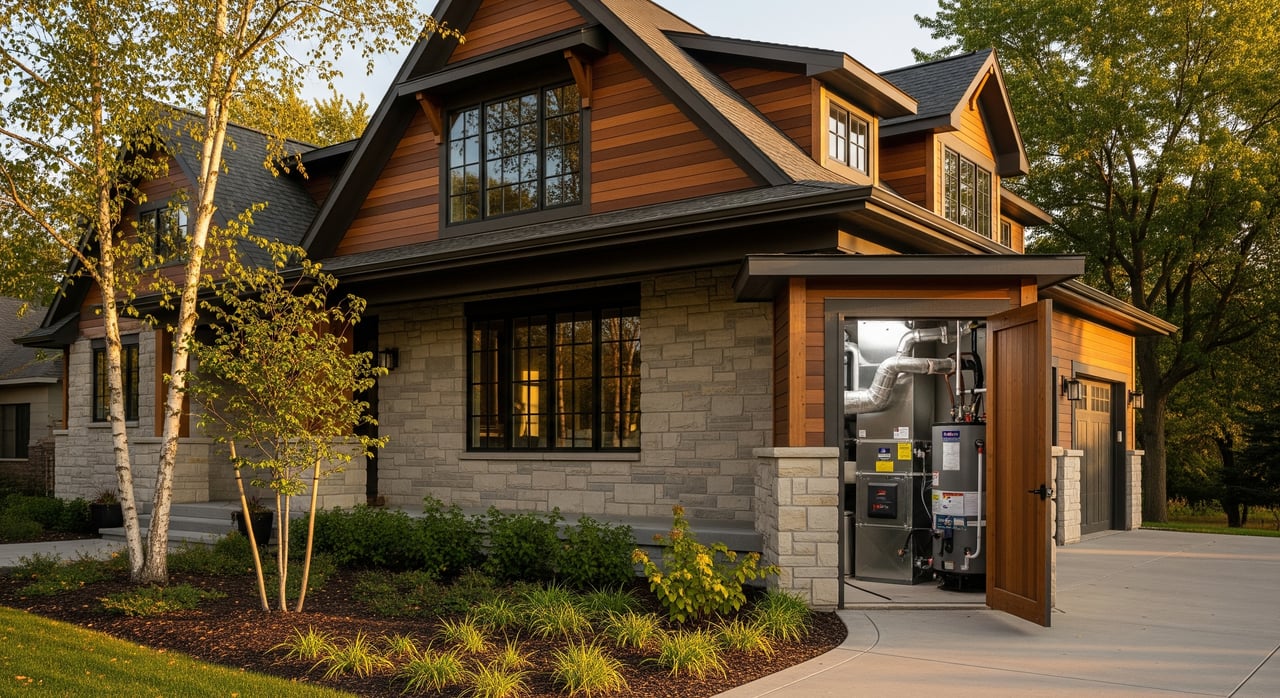
- Mechanical systems: Older furnaces or boilers near the end of typical service life, along with aging water heaters.
- Insulation and ventilation: Attic insulation and ventilation shortfalls can contribute to ice dams and moisture.
- Exterior items: Siding maintenance, deck connections, gutter condition, and window seal failures.
- Plumbing: Older piping types in some homes, corrosion, and areas vulnerable to freezing where insulation is thin.
- Electrical: Overloaded panels, fuses in older homes, and absence of GFCI or AFCI protection in locations where newer standards would require them.
- Pest and wood-rot: Localized wood decay or carpenter ant activity in moisture-prone areas.
Seasonal limits and workarounds
Minnesota seasons affect what an inspector can evaluate.
- Winter: Snow and ice can limit exterior and roof inspections, and roofs may be unsafe to walk. AC cannot be fully tested in cold conditions. Frozen landscaping can hide grading problems.
- Spring: Snowmelt reveals drainage patterns and sump performance. It is often a good time to spot basement moisture issues.
- Summer: Best window to assess exterior, roof surfaces, gutters, grading, and AC operation.
Practical tip: If winter conditions limit access, include language in your offer that allows a follow-up roof or exterior check when conditions are safe. Your agent can help structure this within your inspection contingency.
Ancillary tests to consider
Depending on the property and what your general inspector finds, these add-ons are common around Apple Valley:
- Radon test: Recommended due to Minnesota’s elevated radon potential. Short-term tests are standard during the inspection period.
- Sewer scope: Especially useful for older homes or lots with mature trees. A camera checks the lateral line to the street for blockages or damage.
- Chimney or fireplace inspection: Important for masonry chimneys and wood-burning appliances.
- HVAC specialty review: Helpful for older or complex systems such as boilers and multi-zone setups.
- Roof or moisture scans: Consider if snow or ice limits the exterior inspection or if hidden moisture is suspected.
- Septic inspection: Necessary for properties not on municipal sewer. Rural parts of Dakota County may have wells and septic systems.
- Targeted testing: Mold, lead-based paint, or asbestos testing when age or evidence suggests a concern. Homes built before 1978 may contain lead-based paint.
Typical costs in the Twin Cities
Budget ranges vary by size, age, and scope. Request current local quotes.
- General home inspection: About 350 to 700 dollars for a typical single-family home.
- Radon test: About 100 to 200 dollars.
- Sewer scope: About 150 to 400 dollars.
- Septic inspection: About 300 to 600 dollars.
- Specialist evaluations: Variable, often several hundred dollars depending on the discipline and scope.
Permits and records to review
To understand the history of improvements, check City of Apple Valley building permit records for additions or major remodels and whether work appears code compliant. Dakota County property records can provide parcel, tax, and recorded document details. Compare what you find with the seller’s disclosures, which commonly use Minnesota’s Seller’s Property Disclosure forms.
After the inspection: decide and negotiate
Use the report to prioritize safety and big-ticket items like foundation, roof, structure, and major mechanicals. From there, you typically have these options:
- Accept the home as-is and move forward.
- Request repairs or a closing credit. Keep requests focused and tied to material defects.
- Obtain estimates or specialist reports for significant items, then negotiate based on verified costs.
- Agree to remove the inspection contingency in exchange for limited concessions.
- Cancel within your inspection contingency if permitted by your purchase agreement.
If repairs are agreed to, consider a re-inspection to verify completion and ask for invoices or permits for significant work.
Buyer checklist for Apple Valley
- Hire a reputable inspector with clear sample reports and insurance. Ask about Twin Cities experience and local references.
- Schedule quickly after acceptance. Plan 2 to 4 hours to attend and ask questions.
- Arrange add-ons early: radon test, sewer scope, chimney review, and septic or well tests where relevant.
- Expect seasonal limits. If winter blocks roof or exterior evaluation, include follow-up rights in your contingency.
- Pull records. Review City of Apple Valley permits, Dakota County property records, and local utility information as needed.
- Compare the inspection with seller disclosures. Address gaps or inconsistencies in negotiation.
- Track deadlines. Coordinate contingency timelines with lender requirements and specialist scheduling.
Work with a local advisor
A thorough inspection protects your budget and your peace of mind. You deserve straight answers on condition, practical guidance on follow-up testing, and a negotiation plan that focuses on safety and major systems. If you are buying in Apple Valley or the south metro, tap into local experience to navigate seasonal limits, radon considerations, and basement moisture risk with confidence.
Have questions or want a second set of eyes on your inspection strategy? Let’s connect, call or email today. Reach out to Kary marpe for one-on-one guidance backed by decades of Twin Cities experience.
FAQs
What happens during a Minnesota home inspection?
- A general inspector performs a visual, non-invasive check of accessible systems and components, then delivers a written report with photos and prioritized findings.
How long does an Apple Valley inspection take?
- Most single-family inspections take about 2 to 4 hours on site, with reports usually delivered within 24 to 72 hours.
Should you test for radon in Apple Valley?
- Yes, radon testing is commonly recommended in Minnesota due to elevated potential in many areas, and a short-term test typically takes at least 48 hours.
What if snow blocks roof inspection in winter?
- Ask your agent to include contingency language that allows a follow-up roof or exterior evaluation when conditions are safe and snow or ice has cleared.
Can you cancel after a bad inspection in Minnesota?
- If your purchase agreement includes an inspection contingency, you may cancel within that window based on findings; confirm specifics in your contract.
How much do inspections and add-on tests cost locally?
- Expect about 350 to 700 dollars for a general inspection, 100 to 200 for radon, 150 to 400 for a sewer scope, and 300 to 600 for septic, with specialist fees varying.