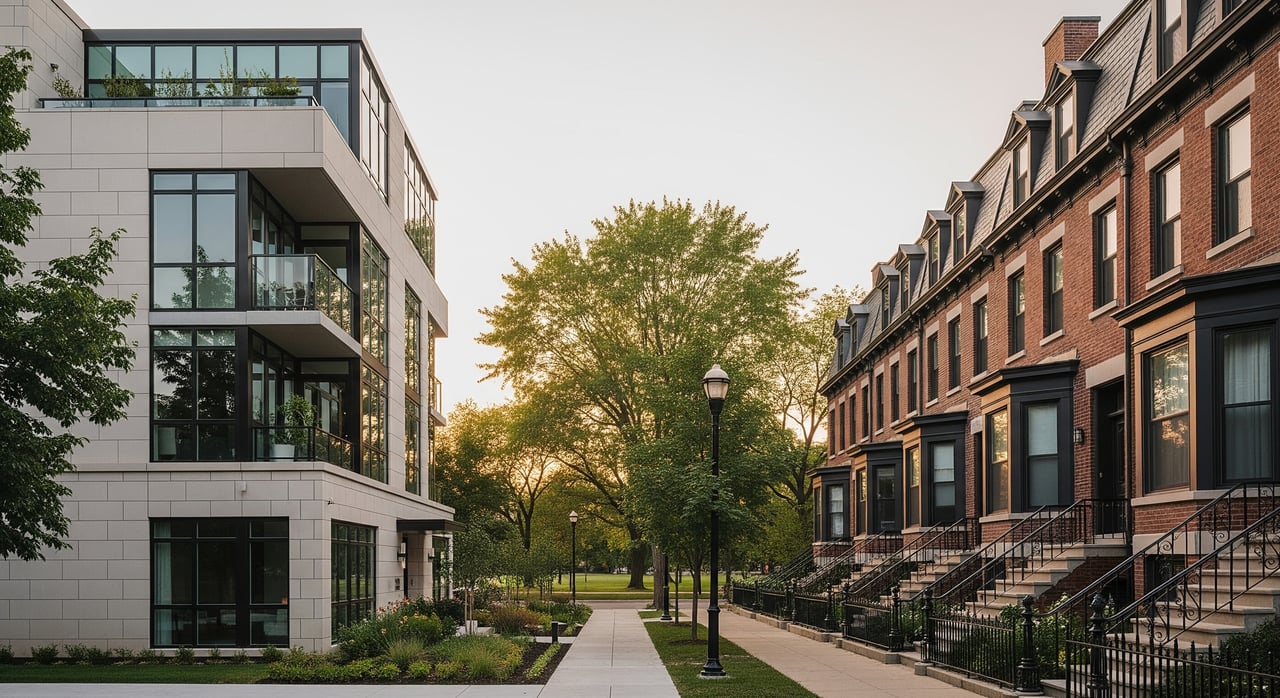
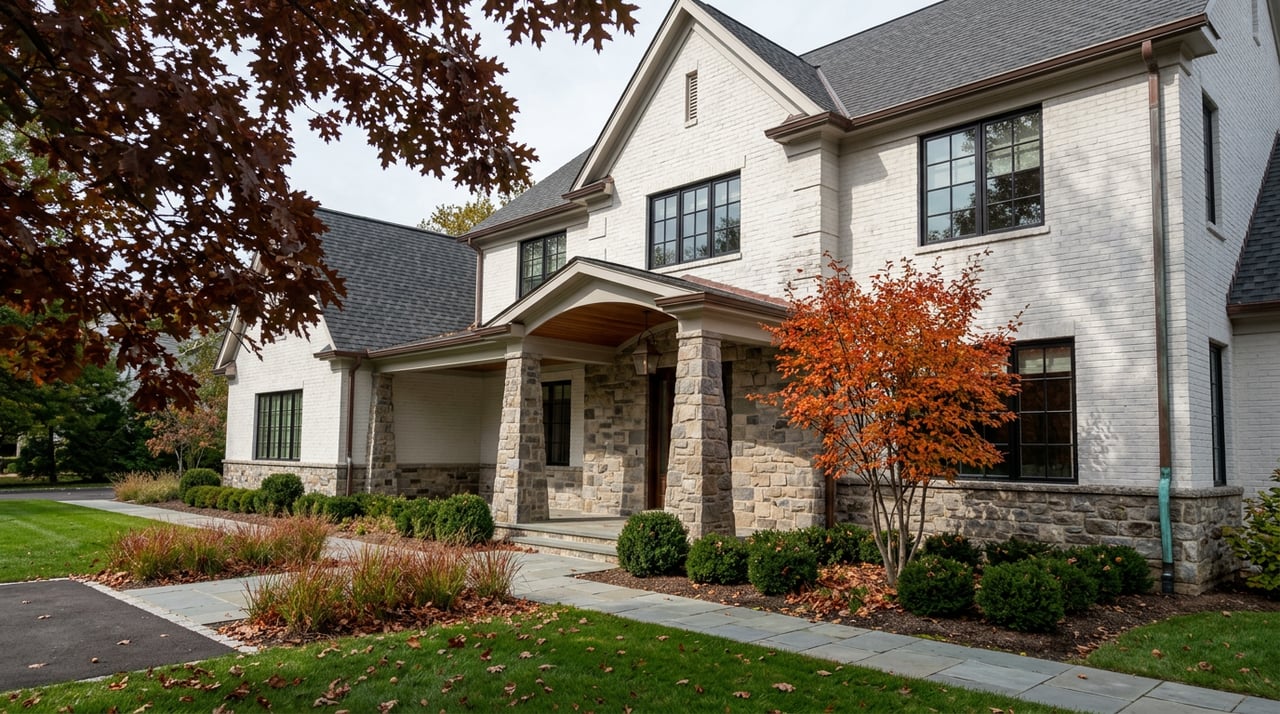
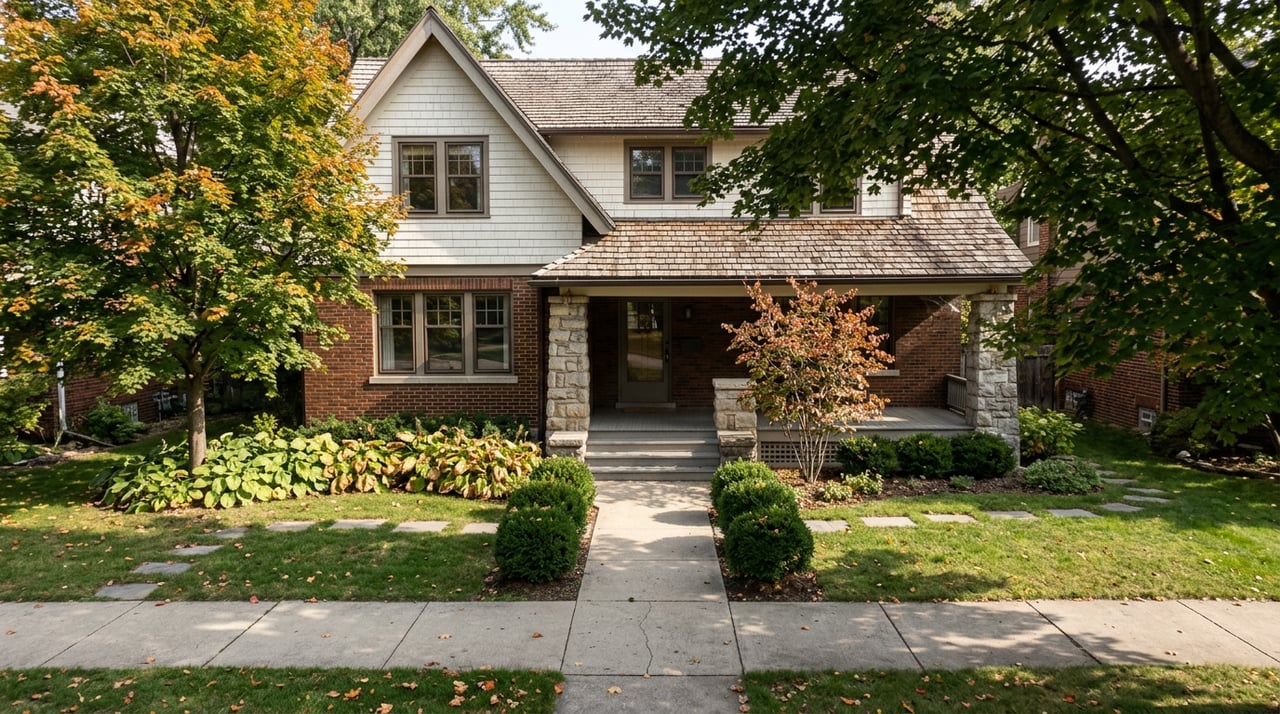
Thinking about low-maintenance living near Minneapolis but not sure whether a condo or a townhome fits you best? You are not alone. Many buyers zero in on Wolfe Park in St. Louis Park for its convenient location and parks, then wonder how ownership, fees and upkeep actually compare. In this guide, you will learn the real differences, what to expect locally, and a simple way to decide which option aligns with your budget and lifestyle. Let’s dive in.
Condo vs. townhome basics
A condo is a form of ownership, not just a building look. You own the interior of your unit and a shared interest in common areas like hallways, roofs, and the land. A homeowners association, or HOA, manages the building and grounds.
A townhome usually means an attached, multi-level home. Legally, it can be set up two ways:
- Fee-simple townhome: You own the structure and the land under it. An HOA may maintain shared roads or landscaping, but you are often responsible for your exterior and roof.
- Townhome-style condo: It looks like a townhome, but it is legally a condo. In that case, the HOA likely handles the exterior similar to other condos.
The key takeaway is simple: “Townhome” describes style. The legal setup of the property determines who maintains what and how your insurance and financing work.
How ownership works in Minnesota
Minnesota condominiums are governed by the Minnesota Common Interest Ownership Act and the HOA’s governing documents. Each association’s declaration and bylaws control what the HOA covers and what the owner covers.
- Condos typically include exterior maintenance in HOA dues. You focus on your interior.
- Fee-simple townhomes often shift more responsibility to you for the building exterior and roof, unless the HOA documents say otherwise.
Always read the declaration, bylaws, and rules for the specific property before you decide. That is where the exact responsibilities are spelled out.
Maintenance and HOA scope
In practice, here is how the split usually looks:
HOA dues vary widely and are driven by what is included. Buildings that handle more of the exterior and utilities tend to have higher monthly dues. Dues stability depends on the HOA’s budget and reserves, so review those documents closely.
Insurance differences
Insurance follows the legal structure.
- Condo: You will likely buy an HO-6 policy that covers interior improvements, personal property, and liability. The HOA carries a master policy for the structure and common areas. Confirm master policy coverage and deductibles.
- Fee-simple townhome: You will likely carry a standard homeowners policy that covers the structure, your lot, contents, and liability. The HOA’s policy covers only common elements if the HOA maintains them.
Before you commit, get quotes based on the exact legal setup and the HOA’s master policy terms. That helps you compare real monthly costs, not just dues.
Financing and lending
Lenders can treat condos differently than fee-simple townhomes.
- Condos may require project-level approvals and extra documentation. Factors like owner occupancy rates, pending special assessments, and HOA financial health can affect your loan.
- Fee-simple townhomes usually underwrite like single-family homes with fewer project restrictions.
Line up a lender early and ask about any project approvals for the specific property. That avoids surprises and helps you choose the right loan program.
What to expect in Wolfe Park and St. Louis Park
Wolfe Park is an inner-ring St. Louis Park neighborhood with quick access to Minneapolis job centers and major roadways. Here is what buyers typically find nearby:
Building age and style:
- Condos: Many low-rise, garden-style buildings from the 1950s to 1970s are common across inner-ring suburbs, including parts of St. Louis Park. These are often one-level units with 1 to 2 bedrooms and balconies.
- Townhomes: More common in infill and newer developments from the 1980s forward. These usually offer 2 to 3 bedrooms, more square footage, multi-level layouts, and attached garages.
Pricing patterns:
- Townhomes often command higher prices than similarly located condos because of extra space, private garages, and sometimes fee-simple ownership.
- Within each category, condition, parking, storage, and which utilities are included can shift values significantly.
Location and commute:
- St. Louis Park is close to major routes like I-394 and Highway 100, so car commutes are often shorter than from outer suburbs.
- Transit access and bike routes near commercial corridors add appeal for buyers who want lower-maintenance living with walkability and transit options.
Local mix:
- Expect a blend of single-family homes, smaller condo buildings, duplex conversions, and pockets of attached housing. Specific concentrations vary by block and development and should be confirmed through current listings and county records.
Costs to compare beyond list price
Do not compare just purchase prices. Compare total monthly cost and likely long-term expenses.
- Mortgage principal and interest.
- Property taxes.
- HOA dues and what they include.
- Insurance type and premiums.
- Utilities you pay versus what the HOA covers.
- Expected maintenance and capital projects based on the reserve study and meeting minutes.
- Parking, storage, and any amenity fees.
A condo with higher dues may still make sense if the HOA covers exterior repairs, roof, snow removal, and some utilities. A fee-simple townhome might save on dues but requires you to budget for exterior upkeep and future roof replacement.
Buyer checklist for Wolfe Park
Before you write an offer, gather the right documents and ask targeted questions.
HOA documents to review:
- Declaration and Covenants, Conditions, and Restrictions. This defines owner versus HOA responsibilities.
- Bylaws and current rules.
- Current budget and the most recent reserve study.
- Meeting minutes for the last 12 months.
- Statement of pending or planned special assessments.
- HOA master insurance summary and deductibles.
- Owner occupancy rate and any rental restrictions.
Property-level checks:
- Condos: Confirm parking assignments, storage, boundaries of what is considered your unit, and the condition of common systems like roof and exterior.
- Townhomes: Confirm who maintains the roof and exterior, lot lines, and any easements.
Financing steps:
- Ask your lender if the specific condo project meets their standards and whether any project flags could affect your rate or down payment.
Insurance steps:
- For a condo, get an HO-6 quote. For a fee-simple townhome, get a homeowners policy quote. Match coverage to the HOA’s master policy.
Which fits your lifestyle
Consider what matters most day to day and over the next five to ten years.
- Choose a condo if you want the lowest exterior maintenance and do not mind higher dues that bundle building insurance, snow removal, and exterior repairs.
- Choose a fee-simple townhome if you want more space, a private garage, and a layout that feels like a house. Expect to handle more exterior upkeep unless the HOA documents say otherwise.
- Choose a townhome-style condo if you want the look of a townhome with condo-style exterior coverage. Confirm responsibilities in writing.
If you commute often, weigh parking, transit access, and whether snow removal is included. If you travel or prefer a lock-and-leave setup, the condo model can be appealing.
Quick comparison at a glance
How to compare two specific properties
When you have a short list, compare apples to apples.
- Read the HOA declaration to confirm exterior responsibility and included services.
- Review the budget, reserve study, and minutes for signs of stable dues versus likely increases.
- Get insurance quotes based on the HOA’s master policy and your unit coverage needs.
- Ask your lender about condo project approvals or any underwriting conditions.
- Estimate five-year costs for roof or exterior work if you are considering a fee-simple townhome.
- Weigh commute, transit, and parking convenience with your daily routine.
This process helps you see beyond list price to the real monthly and long-term cost of ownership.
The Wolfe Park bottom line
Both condos and townhomes in Wolfe Park can deliver a low-maintenance lifestyle close to Minneapolis job centers. The best choice comes down to what you want to maintain, how you prefer to insure the property, and the dues and reserves of a specific association. In older condo buildings, expect more HOA coverage of exterior items. In newer townhome developments, expect more space and garages, with exterior obligations that can vary by HOA.
If you focus on total cost, convenience, and verified HOA documents, you will choose with confidence.
Next steps
If you are narrowing down options in Wolfe Park or elsewhere in St. Louis Park, let’s put a side-by-side plan together. I can help you pull the right documents, read the fine print, and compare true monthly costs so you pick the better fit for your lifestyle and budget. Let’s connect to walk through specific complexes and recent sales, then align on your search and financing.
Let’s connect — call or email today through Kary Marpe.
FAQs
What is the main difference between a condo and a townhome in Minnesota?
- A condo is an ownership type where you own the interior and share common elements, while a fee-simple townhome usually means you own the land and structure and may handle more exterior maintenance.
Do HOAs near Wolfe Park usually cover the roof and exterior?
- Many condominiums include roof and exterior coverage, while fee-simple townhomes often place those responsibilities on owners unless the HOA documents state otherwise.
Is financing a condo in St. Louis Park harder than a townhome?
- Sometimes, because condos can require project approvals and stronger HOA financials, while fee-simple townhomes typically underwrite like single-family homes with fewer project-level requirements.
What HOA documents should I review before buying in Wolfe Park?
- Read the declaration, bylaws, rules, current budget, most recent reserve study, 12 months of meeting minutes, any assessment notices, the HOA insurance summary, and rental restrictions.
How should I compare true monthly costs between a condo and a townhome?
- Add mortgage, taxes, HOA dues, insurance premiums, utilities covered by the HOA, and expected maintenance or capital projects over the next five years.
Can I rent out a condo or townhome in St. Louis Park?
- It depends on the association; check rental restrictions in the declaration and bylaws because many HOAs limit rentals or short-term stays.
How do commute and transit options factor into the decision in Wolfe Park?
- Proximity to major routes, bus lines, bike paths, and parking availability can be a tie-breaker, especially in winter when snow removal and included services affect daily convenience.