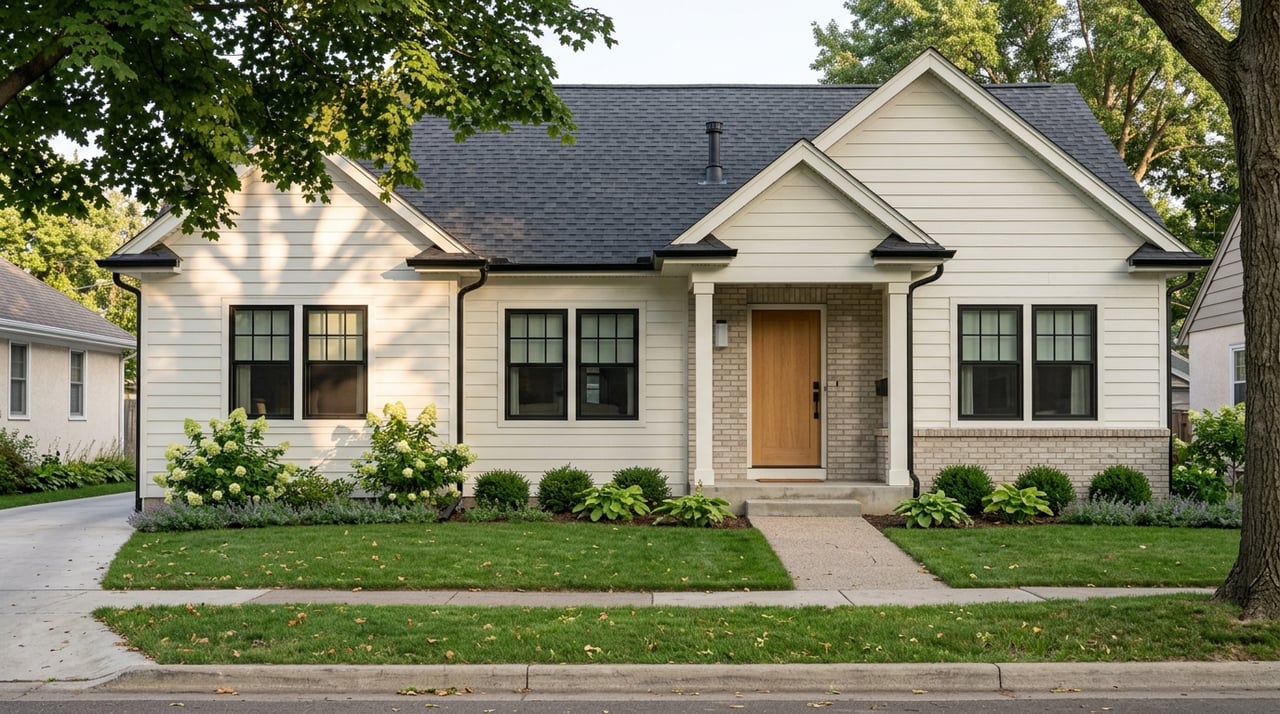
Sell Your Home in St. Louis Park With Better Timing
June 4, 2026
June 4, 2026
Thinking about selling in St. Louis Park and wondering when to list, how to price, or what buyers will really respond to? You are not alone, especially in a market where one neighborhood can move quickly while another takes much longer. If you want to sell with less guesswork and more confidence, the key is understanding local timing, neighborhood-level pricing, and how to prepare before your home goes live. Let’s dive in.
St. Louis Park is a compact, established suburb with just over 50,000 residents, 10.8 square miles, and 52 parks with trail connections to Minneapolis, Uptown, Hopkins, and Chaska. The city also notes that its housing stock includes both new and traditional homes. That mix means buyer expectations can shift a lot from one part of the city to another.
That matters in Wolfe Park. This neighborhood sits in the southeastern part of St. Louis Park, north of Excelsior Boulevard and between Highway 100 and France Avenue, with Wolfe Park, Park Commons, and the Excelsior corridor shaping how buyers experience the area. In other words, you are not selling into a single citywide market. You are selling into a specific micro-market.
Recent numbers show that St. Louis Park remains competitive, but it is not a market where sellers can rely on broad averages alone. Over the three months ending April 2026, Redfin reported a citywide median sale price of $395,846, with homes selling in about 19 days on average.
At the metro level, Minneapolis Area REALTORS® reported in April 2026 that new listings were up 8.9%, pending sales were up 6.9%, and inventory was up 7.2%. The median sales price was $392,000, days on market were 57, and months supply was 2.6. For sellers, that points to steady demand, but also more buyer choice than in the most aggressive recent years.
Wolfe Park tells an important story. In Redfin neighborhood data for the three months ending March 2026, Wolfe Park posted a median sale price of $264,500 and an average of 140 days on market.
Compare that with other nearby St. Louis Park neighborhoods. Bronx Park averaged 11 days on market with a median sale price of $389,355, while Lenox averaged 22 days and a median of $432,839. Shelard Park, a slower condo-heavy area, averaged 112 days on market with a median sale price of $172,436.
The takeaway is simple: citywide headlines do not set your pricing or timing plan. Your strategy should be built around the homes buyers will compare to yours first, especially those in Wolfe Park or the closest competing areas with similar property type, size, and condition.
If you have flexibility, spring is usually the strongest selling season in Minnesota. Minnesota Realtors describes the core season as running from after the Super Bowl through the Fourth of July, with new listings typically building in February and peaking in May.
That does not mean every seller should rush to market before the home is ready. A better approach is to align your listing with the period when buyer activity is strongest and your home is fully prepared. In many cases, that combination matters more than trying to chase small week-to-week shifts in mortgage rates.
Mortgage rates still affect buyer behavior, of course. Freddie Mac reported the average 30-year fixed rate at 6.53% on May 28, 2026, while also noting that pending home sales had risen for three straight months. That suggests there is still demand in the market, even with financing costs playing a role.
One of the biggest mistakes sellers make is leaning too hard on a citywide median. In St. Louis Park, that can create a false sense of where your home should be priced, especially in a neighborhood like Wolfe Park where recent numbers differ sharply from the overall city picture.
A strong pricing strategy starts with the nearest comparable sales by neighborhood, property type, size, and condition. That means a condo should not be measured against detached homes, and an updated property should not be treated the same as one needing work. Buyers will compare your home closely to what else they can buy nearby, not to a broad suburb-wide average.
That pricing discipline matters even in an active market. April 2026 metro data showed the median sales price down 2.0% to $392,000, with the average original list price received at 98.2%. Minnesota Realtors also said sellers should benefit from pricing properties realistically.
In a market with growing inventory and more buyer choice, preparation still shapes first impressions. The basics matter: repairs that affect buyer confidence, a clean presentation, strong photography, and a launch price that makes sense from day one.
Minnesota Realtors has also emphasized the value of strong exterior lighting and high-quality photos. Even if you are not selling in winter, that advice still applies. In St. Louis Park, where park access, trails, curb appeal, and interior condition can all influence buyer interest, clear presentation can help your home stand out.
Before launch, focus on a few practical priorities:
In Minnesota, disclosure is not something to handle after the first showing or once an offer arrives. State law requires sellers of residential real property to provide a written disclosure of all material facts they know about before signing a sale agreement, and that disclosure must be made in good faith based on the seller’s best knowledge.
Minnesota law also provides that a seller can be liable for failing to disclose known material facts. That is why it makes sense to assemble your disclosure package early, while you are still preparing the home for market.
Radon disclosure is a separate Minnesota requirement. The Minnesota Department of Health says sellers must disclose in writing any knowledge they have of radon concentrations before signing a purchase agreement, including testing history, records, mitigation or remediation information, and the required warning materials.
If your home was built before 1978, lead-based paint disclosure rules also apply. Those rules require disclosure forms, any available records or reports, a warning statement, and a 10-day opportunity for the buyer to conduct a paint inspection or risk assessment.
When you want a cleaner launch, it helps to follow a clear process. In Wolfe Park, where pricing and pace can differ significantly from citywide averages, structure matters.
A practical seller workflow often looks like this:
Once offers come in, the highest number is not always the strongest offer. In a market where some St. Louis Park neighborhoods are moving in days and others are taking months, sellers should look at the full picture.
Key factors include financing strength, contingency structure, closing date, and the chance of appraisal or inspection issues. A lower-risk offer with cleaner terms can sometimes put you in a stronger position than a higher offer with more potential obstacles.
That is especially relevant in a neighborhood like Wolfe Park, where longer average market times may call for more patience and sharper decision-making. If your home attracts serious interest, a steady, informed review process can protect your outcome.
Selling well in St. Louis Park is not about following a generic checklist. It is about matching the strategy to your specific home, your specific block, and the buyers most likely to compare your property with nearby alternatives.
That is where neighborhood-level knowledge can make a real difference. When you combine realistic pricing, thoughtful preparation, polished marketing, and careful offer review, you give yourself the best chance to sell on stronger terms and with fewer surprises.
If you are planning a sale in Wolfe Park or anywhere in St. Louis Park, working with an advisor who knows how these micro-markets behave can help you move from uncertainty to a clear plan. When you are ready for practical guidance and a property-specific strategy, reach out to Kary marpe.
Stay up to date on the latest real estate trends.

I am always here for personal service by phone or email, so feel free to contact me any time!