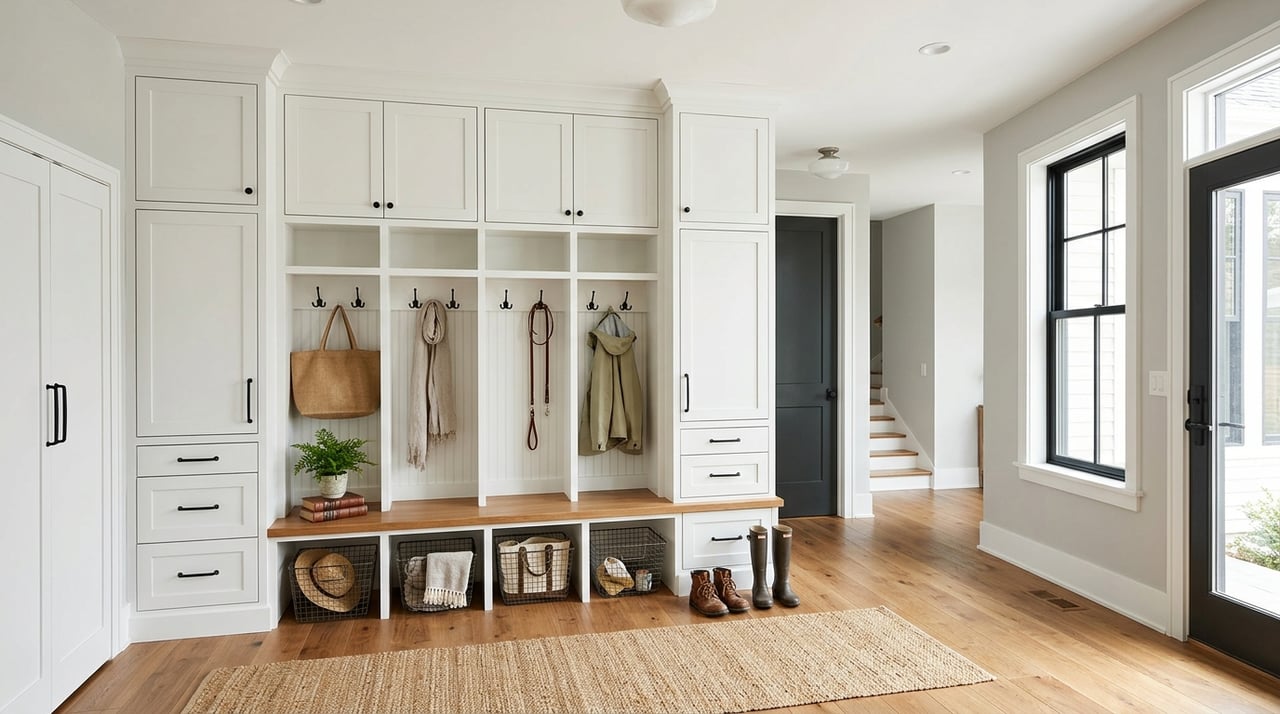
Your Guide to Lakeville New Construction Homes for Families
May 14, 2026
May 14, 2026
Thinking about building a home in Lakeville while your family grows and your needs change? You are not alone. Lakeville has become one of the Twin Cities’ busiest areas for new housing, but choosing the right builder, lot, timeline, and school-boundary fit takes more than a quick online search. This guide walks you through what to watch, what to compare, and how to plan your move with confidence. Let’s dive in.
Lakeville continues to stand out as a fast-growing south-metro city. The city reports about 76,000 residents today and projects nearly 90,000 residents and close to 30,000 jobs by 2050. For buyers who want newer housing options, that kind of long-term growth often means an active pipeline of communities, amenities, and infrastructure.
The city also offers a strong everyday-use amenity base. Lakeville reports 1,733.57 acres of parks and 149 miles of trails, which matters if you want flexible outdoor space close to home. For many buyers, that combination of growth and recreational access is a major reason to look at new construction here.
Housing activity supports that story. The Metropolitan Council lists Lakeville among the metro’s highest-volume permit cities, with 523 permitted housing units in 2024. In plain terms, you have more new-build options to research here than in many surrounding communities.
Lakeville is also in a period of policy change. On April 20, 2026, the City Council approved a temporary pause on some new residential applications while it studies regional planning requirements. That sounds dramatic at first, but it does not stop projects that were already moving through the pipeline.
According to the city, 675 single-family lots and 644 townhome units with preliminary or final plat approval are not affected by that pause. If your move timeline is fixed, that is an important detail. It means approved communities and homes already under construction may be the most practical place to focus first.
The city also launched a new interactive development map in April 2026. That tool can help you track proposed, approved, and completed projects across Lakeville. When you are comparing neighborhoods, it is useful to understand not just what exists today, but what may be added nearby later.
If school assignment is part of your decision, verify it by property address before you commit. Lakeville Area Schools says buyers should use the district’s interactive map tool to confirm attendance areas. That matters even more now because the district approved attendance-area adjustments for the 2026-27 school year in January 2026.
Lakeville Area Schools serves more than 12,000 students and includes nine elementary schools, three middle schools, and two high schools. Some new-construction projects in Lakeville are also tied to different school districts, including 192, 194, and 196 depending on location. You should never assume a subdivision name tells you the school assignment.
The city’s current development report shows a wide mix of detached homes, townhomes, and mixed-product neighborhoods. That is helpful if your family is trying to balance space, budget, maintenance, and commute needs. Some buyers want a traditional single-family layout, while others prefer lower-maintenance attached housing.
Here are several Lakeville communities and builders worth a closer look.
Brookshire, Brookshire 3rd, and Brookshire 4th appear in the city development report with D.R. Horton connected to those communities. The report indicates substantial lot counts remain in this area. These communities are listed in School District 192, but you should still verify assignment by address.
Voyageur Farms and later phases are marketed by Lennar as a single-family community near Cedar Avenue with access to I-35 and minutes from I-494. Builder marketing highlights features that may appeal to growing households, including walkout options, 3-car garages, unfinished basements, and full-yard sod and tree landscaping. If storage, future expansion, or a more commuter-friendly location matters, this is one to compare closely.
Amelia Meadows is described by Lennar as a master-planned community with both single-family homes and townhomes. That mixed product can be useful if you want choices within the same general area. It may also help if your budget range is broad and you want to compare home style and maintenance tradeoffs in one community.
Cordelia is Pulte’s Lakeville townhome community. Pulte’s Lakeville page shows three townhome floor plans, which may fit buyers who want newer construction with less exterior upkeep. If your priority is simplified maintenance without leaving Lakeville, this type of community deserves attention.
Berres Ridge is presented by Pietsch Builders as a custom-home location off County Road 50 between Cedar Avenue and Holyoke. For buyers who want more say in layout, materials, or lot use, custom-build opportunities can be worth exploring. The tradeoff is that custom projects often require more decision-making and a longer planning process.
The city report also lists Highview Ridge, Summers Creek, Preserve of Lakeville, Cedar Creek Villas, Pheasant Run, Knob Hill, and Ritter Meadows, among others. Developers listed in the report include names such as Youngfield Homes, Summergate, KJ Walk, and Twin Cities Land Development. Because school-district lines vary across projects, this is another area where address-level verification is essential.
Lakeville’s new-construction market is not limited to national builders. Country Joe Homes is based in Lakeville and offers semi-custom and offsite builds, with neighborhoods that include Peltier Reserve, Autumn Hill, Summers Creek, Cedar Creek, and Preserve of Lakeville. McNearney Custom Homes also states that it can help buyers find a lot and build a custom home, with attention to lot size, backyard use, and maintenance.
In new construction, the lot can shape your day-to-day experience just as much as the floor plan. Price matters, but it should not be the only factor. A less expensive lot may cost you in privacy, backyard function, or future resale appeal.
Lakeville’s planned-development rules are designed to balance housing types, open space, street efficiency, and compatibility with nearby homes. The city’s planned unit development checklist also notes that attached and twin homes near detached housing should be visually compatible and preserve privacy and security. For you as a buyer, that means the surrounding layout and neighborhood pattern are worth studying, not just the home itself.
When comparing lots, consider these questions:
New construction is appealing because you can personalize many details. It is also where budgets can move quickly. The base price may look comfortable at first, then rise once you add structural options and finish upgrades.
In current Lakeville communities, common upgrade decisions include:
For example, Lennar’s Voyageur Farms materials show options such as 3-car garages, walkouts, unfinished basements, and included sod and tree landscaping. Pulte highlights its Energy Advantage program in Cordelia. Since inclusions vary by builder and by neighborhood, always compare the base specification sheet with the full upgrade menu before you sign.
Your monthly payment is only part of the picture. Homeownership costs also include property taxes, insurance, HOA dues where applicable, maintenance, and utilities. Closing costs typically run about 2% to 5% of the purchase price before your down payment.
That is why upgrade planning matters so much on a new build. A few design-center decisions can change not only your purchase price, but also your cash needed at closing and your long-term monthly cost. A realistic budget should include the house, the lot, upgrades, closing costs, and the ongoing cost of owning the property after move-in.
A new-construction home and an existing home each come with different tradeoffs. With new construction, you often gain customization, newer materials, and statutory warranty protection. With a resale home, the conversation often shifts more toward inspection findings, condition, and repair negotiation.
Minnesota also provides specific new-home warranty protections under Chapter 327A. According to the Minnesota Attorney General, standard coverage includes one year for defects in workmanship or materials, two years for plumbing, electrical, heating, and cooling installation defects, and ten years for major construction defects. Those warranties are transferable and generally cannot be waived except in limited situations.
If a warranty issue comes up, written notice matters. The Minnesota Department of Labor and Industry explains that some disputes may need to go through the home warranty dispute resolution process or a 60-day waiting period before litigation. That is another reason to keep good records during and after your build.
New construction timelines are rarely as simple as a single move-in date. In Lakeville, permits are required for new residential structures, and the city’s Building Inspections department handles plan review, permitting, and inspections. That means the pace of your build can be influenced by approvals, inspections, lot readiness, and your builder’s schedule.
If you are buying for a specific life event, like the start of a school year or the sale of your current home, build extra time into your planning. Homes already under construction or in approved communities may offer more certainty than a to-be-built option. In the current Lakeville environment, that distinction can be especially important.
For many growing families, the biggest challenge is not choosing the house. It is coordinating the sale of the current home with the purchase of the next one. The structure of your offer matters a lot here.
A practical approach often includes:
A home sale contingency can protect you if your current property does not sell in time. It can set a deadline for that sale, and if it does not happen by the deadline, the contract can be voided and earnest money returned. The tradeoff is that sellers may continue marketing the property during that period, so sale contingencies can be less attractive in a competitive setting.
Builders may also have affiliated mortgage lenders, but you are not required to use them. Comparing financing options can help you understand whether a builder incentive is truly a savings or simply structured differently. When timing and cost both matter, that side-by-side review is worth doing carefully.
If you want to narrow your options without getting overwhelmed, start with the questions that shape daily life most. Think first about move timing, school-boundary verification, home type, and lot priorities. Then compare builders, upgrade structures, and neighborhood fit.
A simple way to organize your search is to rank each community by:
That kind of practical sorting keeps you focused on what will matter after closing, not just what looks best in a model home.
If you are weighing new construction in Lakeville, the goal is not just to find a brand-new house. It is to choose the right combination of location, timeline, lot, and budget for the way your household actually lives. With the right guidance, you can compare options clearly, avoid expensive surprises, and make a move that fits both today and the next stage of your family’s life.
When you are ready to sort through communities, compare resale versus new build, or coordinate a sale and purchase at the same time, Kary marpe offers practical, one-on-one guidance backed by deep Twin Cities market experience.
Stay up to date on the latest real estate trends.
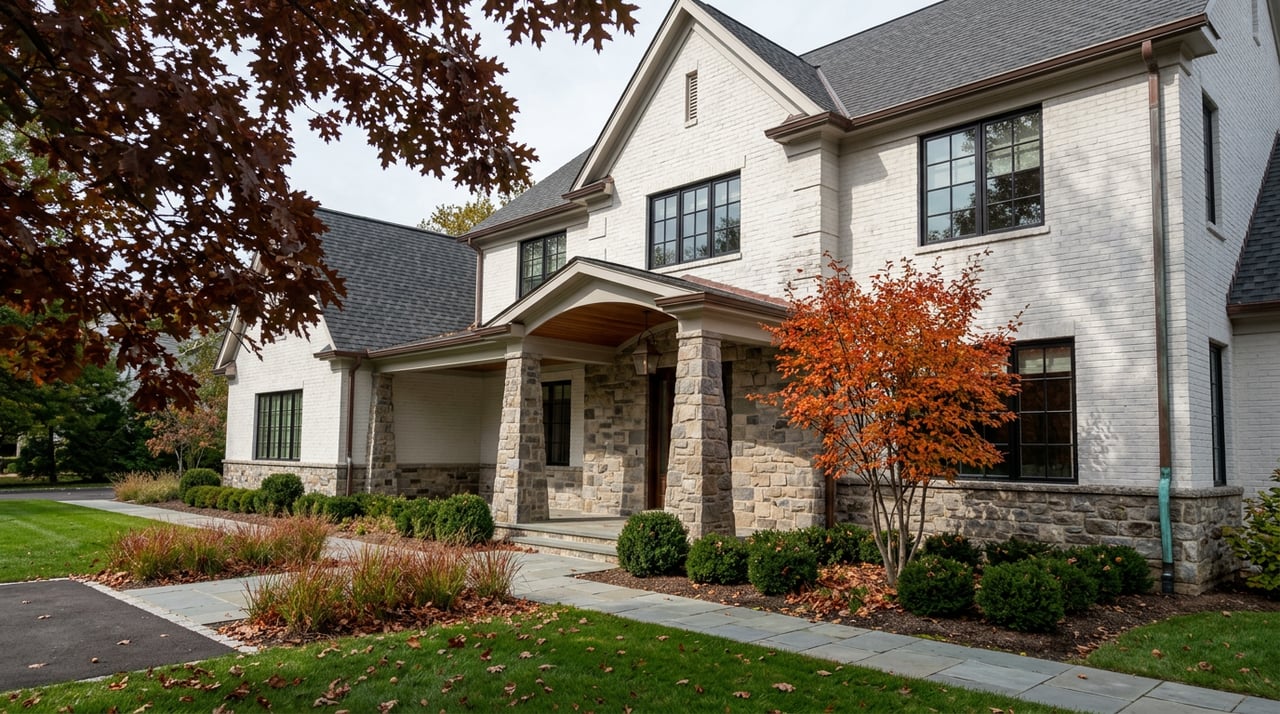
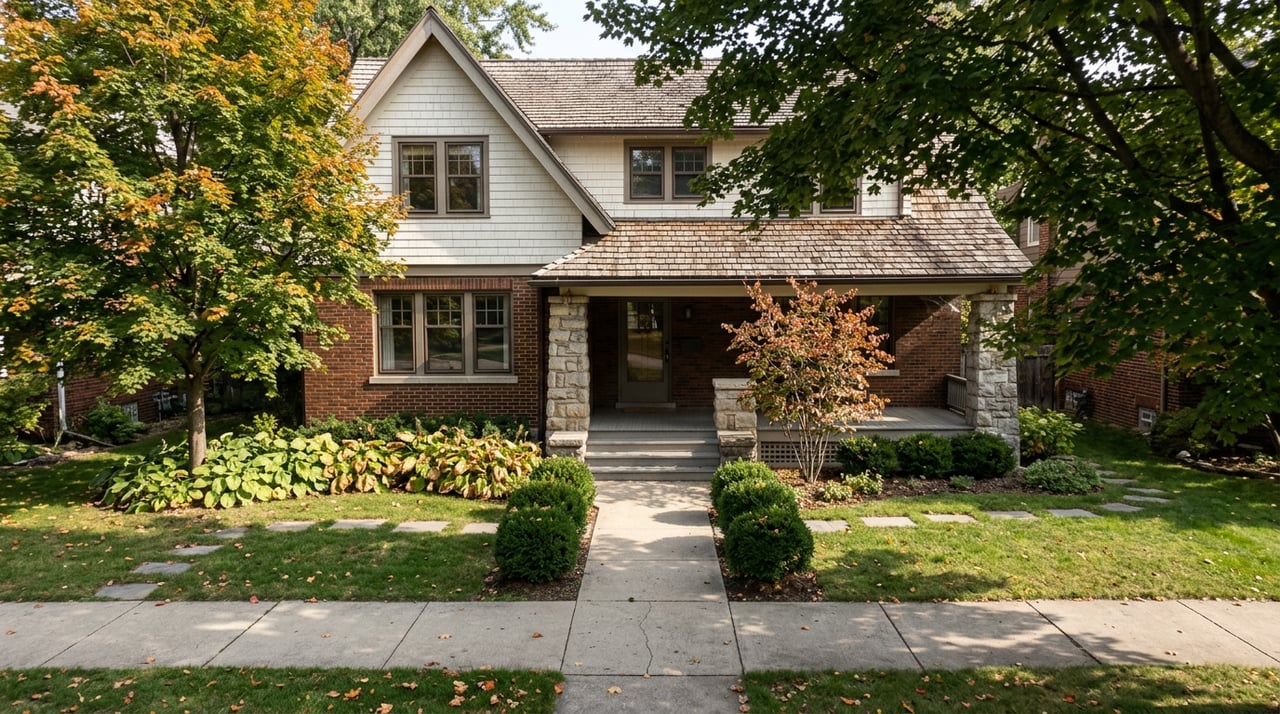
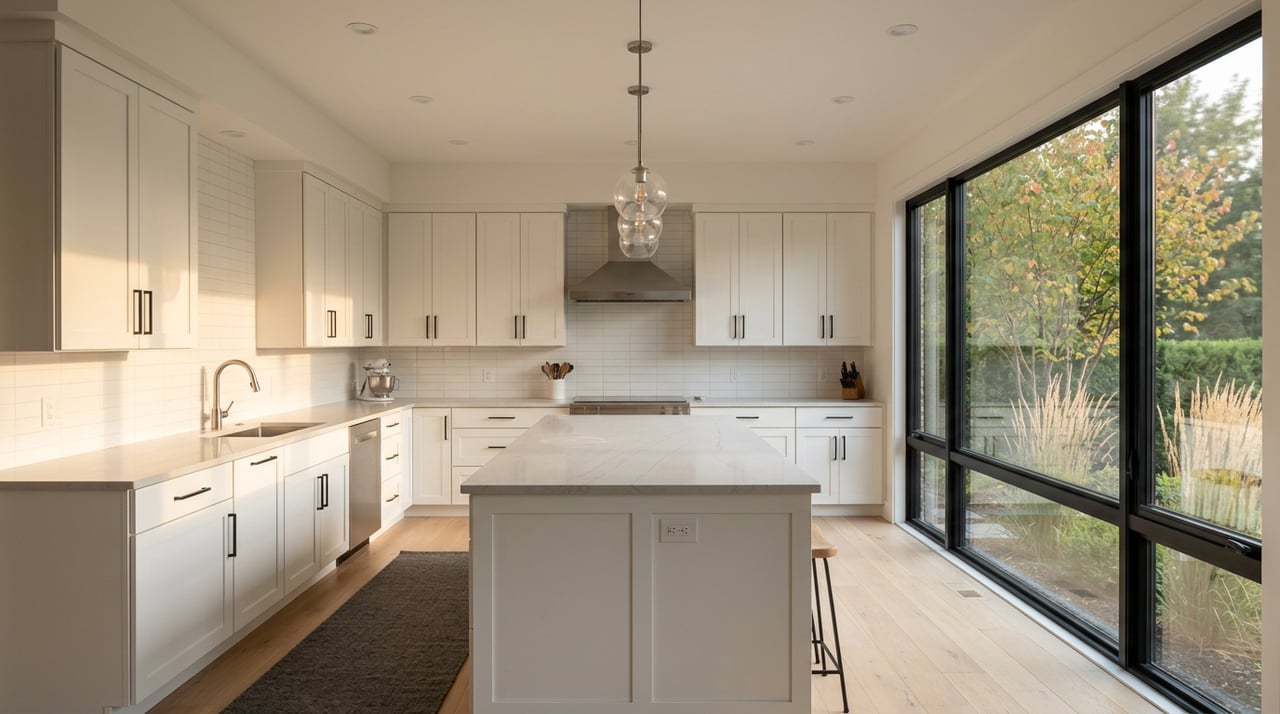
I am always here for personal service by phone or email, so feel free to contact me any time!