North Loop Loft Buying Guide for Condo Buyers
May 21, 2026
May 21, 2026
Thinking about buying in the North Loop? You are not alone. For many Twin Cities buyers, this neighborhood stands out because it offers a mix of historic character, newer condo options, walkability, riverfront access, and direct transit connections at Target Field Station. If you want a clearer picture of what you can expect before you start touring, this guide will help you understand the housing stock, pricing, HOA details, and the key questions to ask before you write an offer. Let’s dive in.
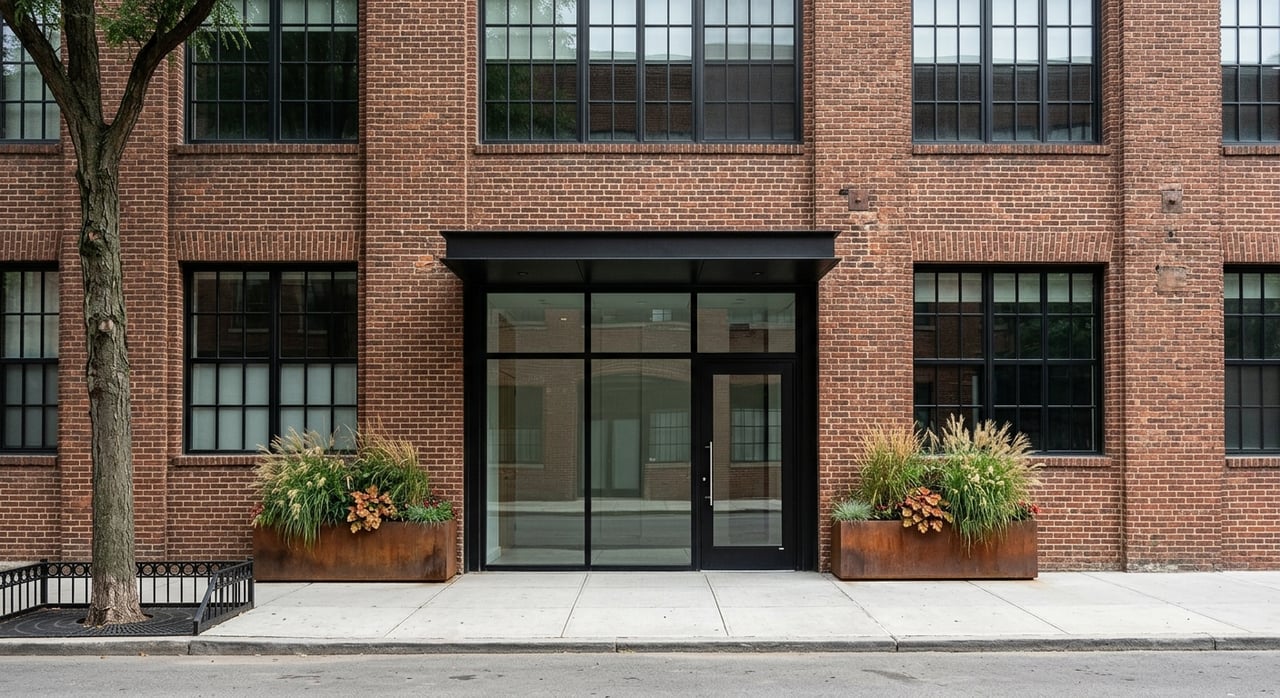
North Loop, often used interchangeably with the Warehouse District, blends old Minneapolis character with newer residential development. The area grew out of the city’s commercial and industrial history, and that legacy still shows up in many of the homes buyers see today.
What makes the neighborhood feel different is the contrast. You can find restored warehouse buildings, mid-2000s loft-style condos, and newer condo developments in the same area. That mix gives you more than one way to buy into the neighborhood, depending on whether you value raw industrial details, a softer loft look, or newer finishes and amenities.
The location also adds to the appeal. North Loop offers riverfront access, transit connections at Target Field Station, and a fairly walkable setting, with a Walk Score of 84. Redfin’s neighborhood snapshot places the area near about 1,783 residents and 4,040 jobs, which helps explain why it feels active and connected.
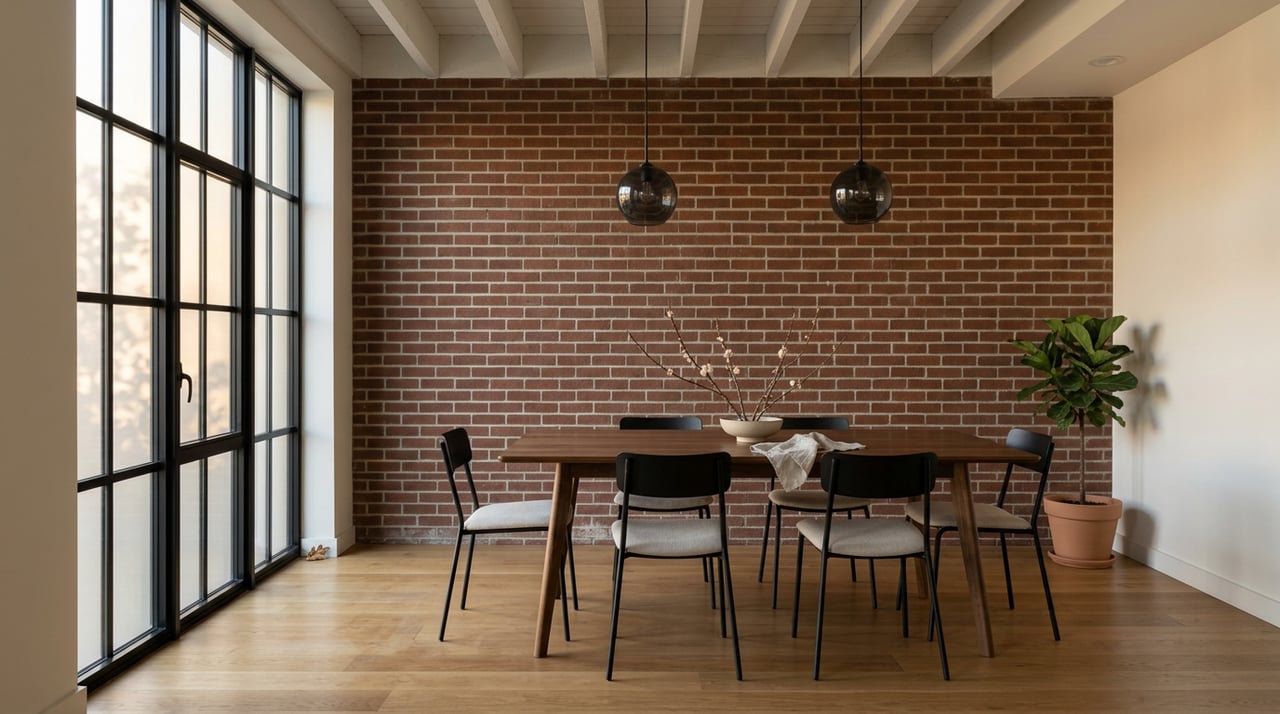
Historic warehouse conversions are a signature North Loop product. In current listings, these homes often feature exposed brick, visible ductwork, concrete floors or ceilings, high ceilings, large windows, and sometimes gas fireplaces.
If you are drawn to true loft character, these are usually the homes that deliver it most clearly. They often feel unique from unit to unit, which can be a big plus if you want something with architectural personality rather than a more standard condo layout.
Not every North Loop loft is a century-old warehouse conversion. The neighborhood also has loft-style condos built around 2004 and 2005 that keep an urban look while offering a more polished and less raw interior feel.
These buildings often pair open layouts with practical features like garage parking, storage, and fitness rooms. For many buyers, that creates a middle ground between industrial style and everyday convenience.
North Loop also includes newer condo inventory. Buildings like Sable, completed in 2019, show the more modern side of the market, with features such as high ceilings, large windows, designer finishes, rooftop spaces, lounges, and attached garage parking.
New mixed-use development in and around the neighborhood also shows that the area continues to evolve. Even so, the for-sale condo pool remains relatively small, which can make well-positioned listings stand out quickly.
Current market snapshots place North Loop condo pricing in the mid-$300,000s. Redfin shows a median listing price of about $360,000, while Realtor.com shows a median listing price of about $374,900. Days on market in those snapshots sit in the mid-30s, suggesting that buyers should be prepared but not assume every listing moves instantly.
The active price range is broad. Current Redfin examples run from about $249,900 for a one-bedroom unit to about $1.35 million for a larger upper-end condo. A large share of the market appears to cluster between roughly $300,000 and $700,000.
That spread matters because North Loop is not one single product type. Price can shift based on building style, square footage, renovation quality, amenities, dues, and whether the home includes features buyers tend to value highly in this neighborhood.
In North Loop, premium pricing often follows natural light and view lines. South-facing windows, skyline or Target Field views, and broad window walls can push a home higher than a similar unit with a darker exposure.
That is one reason it helps to look beyond bedroom count alone. A smaller unit with better light may compete strongly with a larger one that feels less open or less connected to the neighborhood around it.
Private balconies, terraces, and rooftop access stand out in current listings. In a neighborhood where many buildings emphasize urban living and shared walls, usable outdoor space can carry real value.
If outdoor space matters to you, pay attention to how private it is, how large it is, and what direction it faces. Not all balconies or terraces deliver the same day-to-day experience.
Parking is a major part of the North Loop value conversation. The neighborhood action plan identified transportation and parking as long-running issues, and today’s listings reflect that with heated underground parking, attached garages, storage lockers, and separate parking charges in some buildings.
That means you should treat parking as part of the purchase analysis, not as a footnote. One deeded heated stall may be a major advantage over a similar unit where parking is leased, limited, or billed separately.
When you buy a loft or condo, you are not just buying the unit. You are also buying into the homeowners association, its budget, its rules, and its long-term maintenance planning.
Under Minnesota’s Common Interest Ownership Act, associations must budget for operating expenses and replacement reserves. The law also requires reviewed financial statements to be delivered within 180 days after the fiscal year ends.
For resale purchases, the seller must provide important association documents, including the declaration, bylaws, rules, and a resale disclosure certificate dated no more than 90 days before the purchase agreement or conveyance. Minnesota law also gives buyers cancellation rights if required disclosures are not delivered on time, and unpaid assessments not listed in the certificate generally do not become the buyer’s liability.
Before you move forward on a specific unit, ask for clear answers to these condo-specific questions:
These questions matter because dues in current inventory vary widely. Some listings show dues in the low $300s, while larger amenity-rich buildings can be much higher, including examples around $1,730 per month.
Start with how you want the home to live day to day. If you want authentic warehouse character, a historic conversion may be the best fit. If you want a cleaner finish palette and more predictable amenities, a newer building may make more sense.
Neither option is automatically better. The right choice depends on your priorities, your maintenance comfort level, and how much value you place on character versus convenience.
Look beyond the list price. Your real monthly picture may include mortgage payment, HOA dues, parking charges, and any storage fees.
Two homes with similar asking prices can feel very different financially once those building-specific costs are added in. This is especially true in North Loop, where amenities and parking structures vary a lot from building to building.
North Loop resale value often comes back to a few repeating factors: building reputation, HOA health, parking, storage, views, and renovation quality. Current listings suggest that premium prices are more concentrated in larger units with standout outdoor space or rooftop access, while simpler one-bedroom layouts often sit at lower price points.
That does not mean smaller homes are poor choices. It means you should be realistic about what future buyers are likely to value most in your building and your specific unit.
If you may want to rent the unit in the future, review the declaration and bylaws carefully. Rental rules can vary significantly by building, and they can affect both flexibility and long-term value.
North Loop has one especially notable exception. The North Loop Neighborhood Association says Sable is the first owner-occupied condominium building in the Twin Cities that allows short-term rentals, which Redfin also describes as rare. Because that is unusual, buyers interested in any rental use should verify building rules in writing rather than assume one building’s policy applies to another.
In a neighborhood with limited for-sale condo inventory, it helps to be specific before you tour. Decide which matters most to you: historic character, newer finishes, lower dues, parking, outdoor space, or view.
Once you know your priorities, it gets easier to separate a good-looking listing from a good overall purchase. In North Loop, the best choice is often the one that balances unit features, building health, and monthly ownership cost in a way that fits your plans for the next several years.
With the right guidance, you can compare buildings more confidently, ask sharper questions, and avoid surprises hidden in dues, documents, or parking details. That kind of preparation matters in any condo purchase, but especially in a neighborhood where every building can feel a little different.
If you are weighing a loft, a newer condo, or several buildings at once, working with someone who understands both the neighborhood and condo-specific due diligence can make the process much more straightforward. If you want practical guidance on buying in North Loop or comparing Minneapolis condo options, reach out to Kary marpe.
Stay up to date on the latest real estate trends.

I am always here for personal service by phone or email, so feel free to contact me any time!